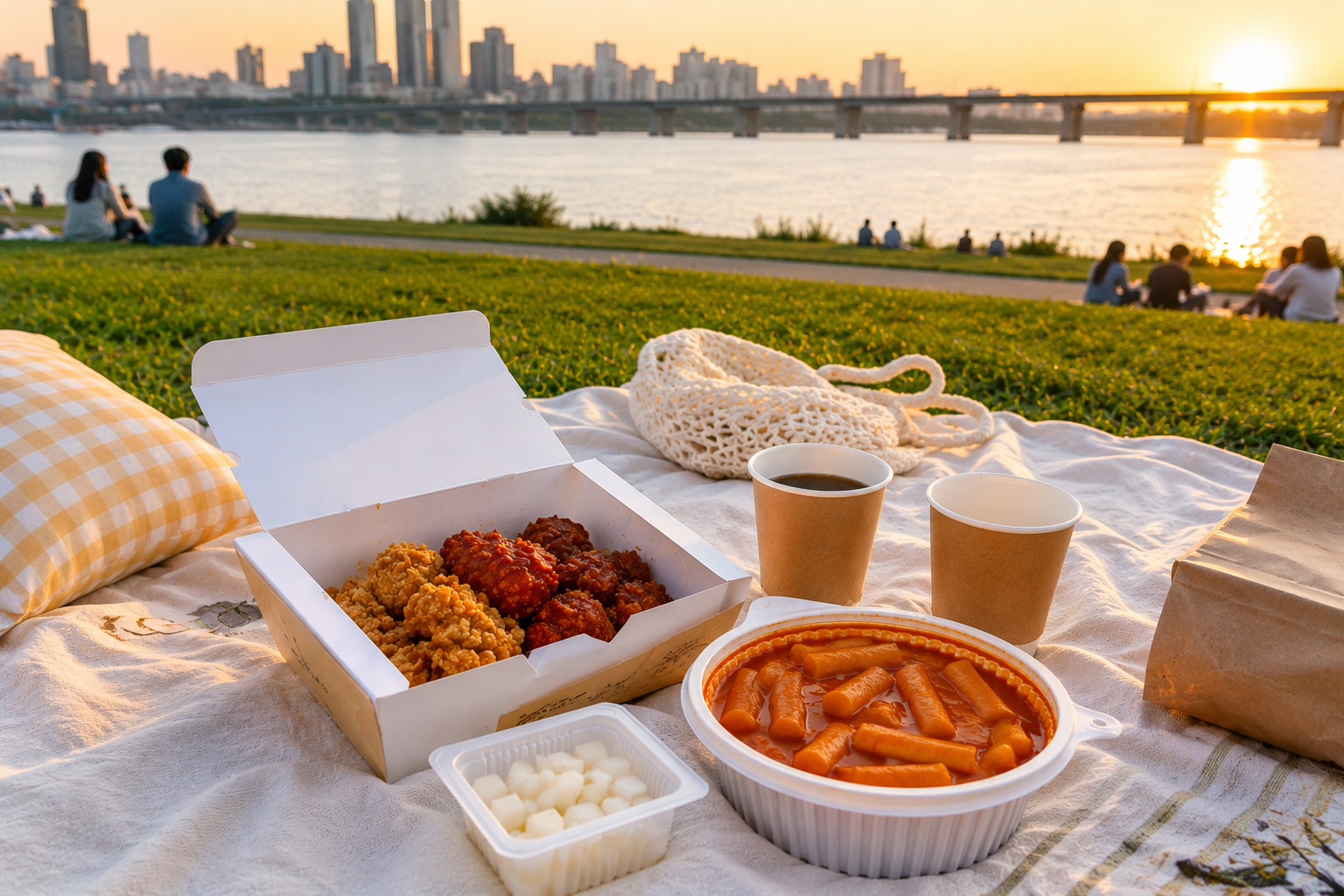
Many Koreans have a habit of opening a delivery app before opening the refrigerator. After a long day at work, people often check delivery apps on their way home while thinking about what to eat for dinner. When friends are hanging out at someone’s house and start getting hungry, there is usually one sentence that comes up sooner or later. “Should we order delivery?”
Weekends are not much different. Many people wake up late, check the messages on their phone, rub their stomach, and instinctively open a delivery app. “What should I eat?” For many Koreans, this is a very familiar routine.
The reason food delivery became so popular in Korea is actually quite simple. It’s incredibly convenient. Years ago, people had to call restaurants directly to place an order. Today, almost everything can be done through a single app. You can browse nearby restaurants, choose your food, pay for it, and have it delivered without making a single phone call. Fried chicken, pizza, Korean stews, coffee, desserts, and even convenience store items can all be delivered.
One thing that surprises many foreign visitors is where delivery can happen. In Korea, food delivery is not limited to your home. Imagine sitting on a picnic mat with friends at Han River Park in Seoul and suddenly craving fried chicken. Many people simply open a delivery app and order food right to the park. There are even designated delivery zones in some areas to make the process easier. Seeing delivery bikes arrive at an open riverside park carrying hot food is something many first-time visitors find fascinating.
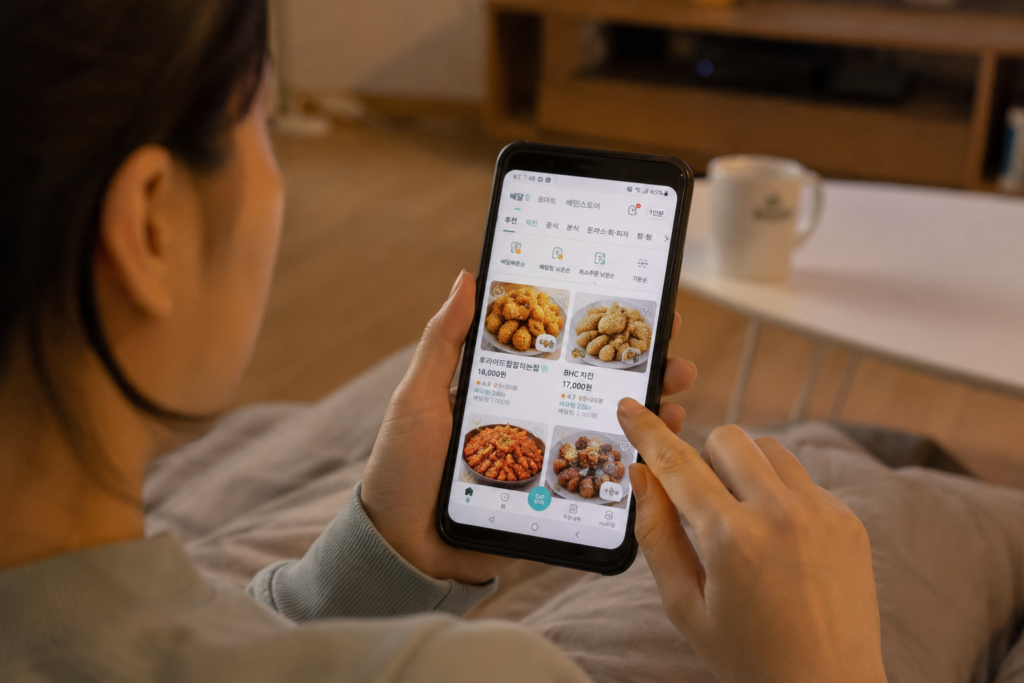
Korean delivery culture also has an interesting feature called a review event. Many restaurants offer free drinks, extra side dishes, or small bonus items if customers agree to leave a review after the meal. The interesting part is that these extras are usually included before the review is even written. It is a marketing strategy, of course, but it also reflects a certain level of trust between the restaurant and the customer.
The waiting process is surprisingly entertaining too. After placing an order, customers can see whether the restaurant has accepted it, whether the food is being prepared, whether the driver has picked it up, and exactly where the driver is on the map. As a result, many Koreans find themselves checking their phones repeatedly while waiting. “The driver just picked it up.” “Looks like it’s almost here.” “Wait… why is he going that way?”
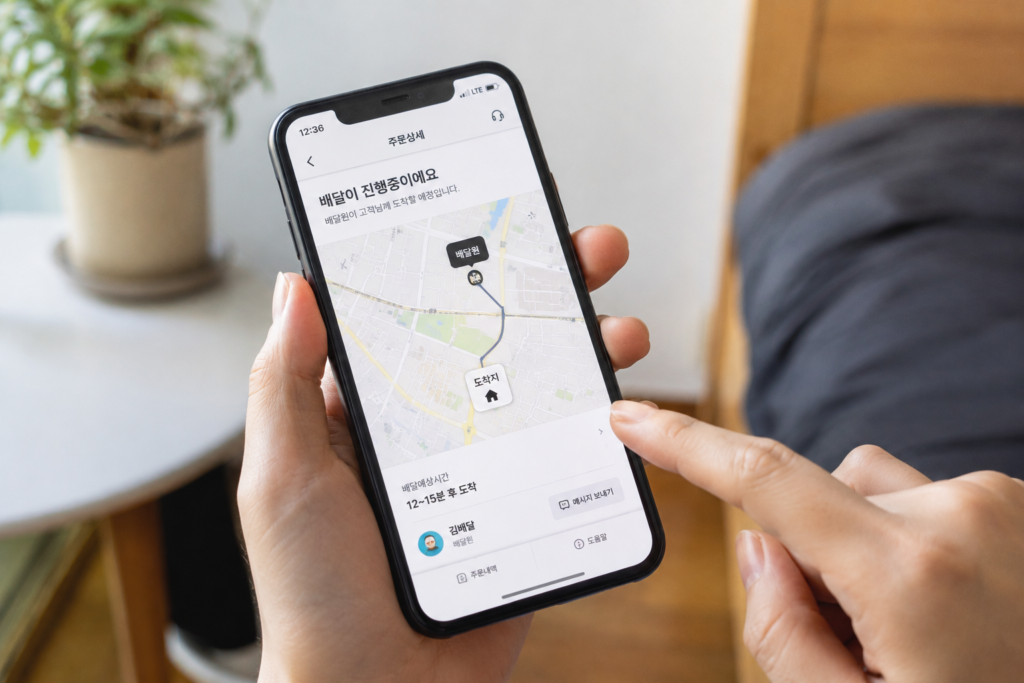
I actually had that experience myself once. A delivery driver picked up my order and then started moving in the complete opposite direction from my home. At first, I thought he had taken a wrong turn. Later, I realized he was picking up another order before heading my way. My food arrived later than expected, so I contacted customer support and eventually received a discount coupon.
That is another convenient part of the system. If there is a problem with your order, such as missing items or a delivery mistake, you can usually contact the restaurant or customer service directly. Depending on the situation, you may receive a refund, a replacement order, or compensation in the form of coupons.
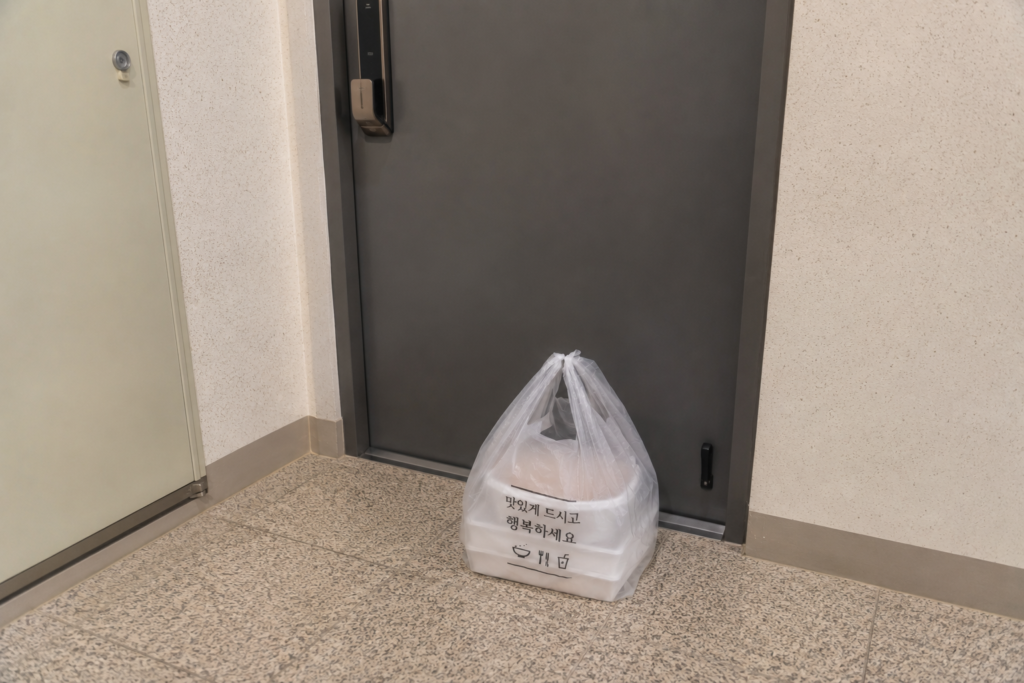
Perhaps Korea’s famous “ppalli-ppalli” culture and delivery services are simply a perfect match. And then, finally, the doorbell rings. When you open the door, a warm bag of food is waiting outside. It is a simple moment, but a surprisingly satisfying one. By the time the food reaches the table, most people have already decided which item they are going to eat first.
For Koreans, delivery is not considered a special service. It has simply become part of everyday life. Whether it is after work, during a lazy weekend at home, or while relaxing by the Han River, many people naturally reach for a delivery app when they get hungry. What may seem surprisingly convenient to foreign visitors is simply another normal day in Korea.
Now I’m curious. How is the food delivery system in your country? Do people use it as often as Koreans do?
Leave a Reply